Best Empanada Peruana Near Me: Where to Find Authentic Peruvian Empanadas
Searching “best empanada peruana near me” is the easy part. The harder part is knowing, before you travel across town, whether the place you pick bakes its empanadas properly, fills them generously, and seasons them the Peruvian way.
I have eaten empanadas that looked perfect and tasted of very little, and plain-looking ones I still think about months later. The difference is rarely luck. It comes down to pastry, filling, freshness, and a few small finishing touches.
This guide covers what makes a Peruvian empanada distinct, where to look for one, which fillings to order first, and the questions that separate a serious panadería from a shop simply trading on the name.
What Is an Empanada Peruana?
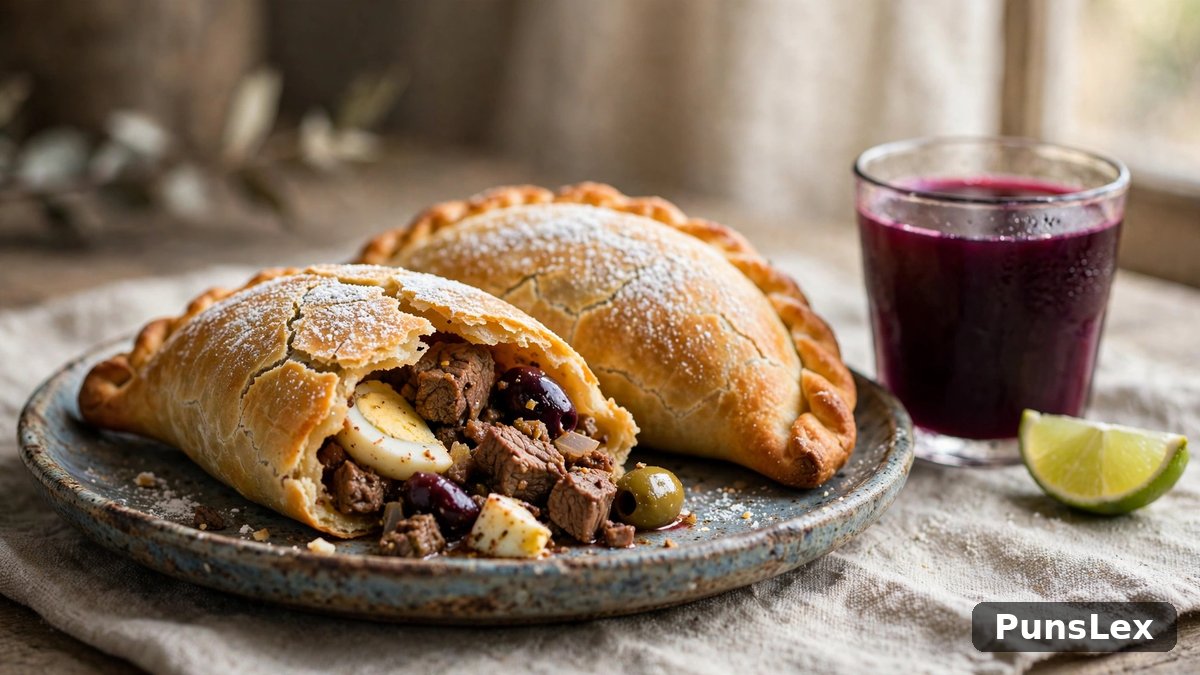
An empanada peruana is a half-moon of rolled dough, filled, folded, and sealed along the edge before baking. In the Peruvian style it comes out of the oven golden and lightly crisp, sturdy enough to eat by hand.
The classic filling is beef: ground or finely chopped meat cooked with onion, garlic, cumin, and ají panca. Inside you will often find the signatures — a few raisins, a black olive, and a wedge of hard-boiled egg.
There is no single recipe every bakery follows. Chicken, cheese, and vegetable versions sit alongside the beef, and family recipes differ in sweetness, spice, and dough. Asking how a shop makes theirs tells you more than assuming.
What Makes an Authentic Peruvian Empanada Special?
Flaky, Buttery Pastry
The pastry is the first thing you notice. It should be evenly golden, tender when you bite, and firm enough to hold the filling without cracking apart. Butter, shortening, or a mix gives it that rich, slightly flaky bite.
A soggy base is the warning sign. It usually means the empanada sat too long or the filling was too wet. A good crust survives the walk from counter to table and still feels crisp at the edges.
Traditional Peruvian Seasonings
Onion, garlic, and cumin form the base of most savory fillings. Ají panca adds warm color and gentle depth, while ají amarillo brings a brighter, fruitier heat. Together they taste unmistakably Peruvian without setting your mouth on fire.
Balance is the test. The beef should still taste like beef, the chicken like chicken. Seasoning that shouts over the filling is usually covering for meat that was not very good to begin with.
The Classic Sweet-and-Savory Finish
Many Peruvian beef empanadas arrive with a light dusting of powdered sugar over the crust. It sounds like a mistake until you try it: the faint sweetness plays against the savory, spiced filling and somehow makes it taste richer.
A wedge of lime often comes alongside, to squeeze over each bite. Not every bakery does both, so ask what to expect. If the sugar is offered, try at least one empanada the traditional way before deciding.
Freshly Prepared Fillings
Freshness shows in texture. The filling should be moist without soaking the pastry, seasoned all the way through, and served properly hot. Small batches baked across the day beat a big morning tray reheated for hours.
A simple question helps: when did the last batch come out of the oven? Good bakeries answer proudly and precisely. Vague answers usually mean your empanada has been waiting longer than you would like.
Baked, Not Fried: The Oven Is Part of the Identity
Peruvian empanadas are traditionally baked, not fried. That sets them apart from the fried styles common in other Latin American kitchens, where the crust blisters and crisps in hot oil instead of setting gently in the oven.
Baking gives the Peruvian version its character: a tender, golden shell that flakes rather than shatters. Menus sometimes say it outright — “empanadas al horno,” from the oven — and that phrase is a promising sign when you see it.
A shop that fries to order is not necessarily bad, but it is selling a different product. If your heart is set on the Peruvian original, look for the oven-baked version first and judge the place by that.
Best Empanada Peruana Near Me: Where Should You Look?
Peruvian Bakeries and Panaderías
A Peruvian bakery is the strongest starting point. Empanadas there sit alongside alfajores, pan dulce, and other Peruvian staples, usually made on the premises by people who grew up eating them.
Ask which fillings are baked each day and when trays come out. Weekend mornings are often the freshest — and the busiest — time to go, so arriving early genuinely improves your odds.
Peruvian Restaurants and Cafés
Peruvian restaurants often serve empanadas as starters or takeaway snacks. Their wider menu helps too: a kitchen cooking ceviche and pollo a la brasa usually treats its empanadas with the same care.
One caution: some restaurants only make empanadas on certain days, or fry a small batch at lunch. Check the menu online or call ahead so the trip is not wasted.
Latin American Grocery Stores and Food Markets
Latin American grocery stores with hot-food counters are an underrated option. In neighborhoods without a dedicated Peruvian bakery, a store counter may be where the local Peruvian community actually buys its empanadas.
Ask whether they are made on-site or supplied frozen by a local baker. Both can be good, but they set different expectations for freshness, price, and how well the empanada travels home.
Online Ordering and Food Delivery Apps
Delivery apps let you compare menus, hours, and customer photographs in minutes. Search in Spanish as well as English — “empanadas peruanas” or “empanadas de carne” surfaces shops that English searches miss.
Confirm the listing belongs to a real, current business with an up-to-date menu. Customer photos are more trustworthy than polished stock images, especially for judging size and how the crust actually looks.
Local Food Festivals and Community Events
Peruvian cultural celebrations, including Independence Day festivities around July 28, and Latin American food markets are excellent hunting grounds. Several small vendors in one place means several fillings to compare in a single visit.
Festivals also introduce you to home bakers and tiny businesses that barely advertise online. Note the names of the ones you like; many take weekend orders long after the festival tents come down.
Popular Types of Peruvian Empanadas to Try
Beef Empanadas
Start here. The beef empanada — empanada de carne — is the classic: seasoned beef and onion with egg, olive, and raisin, often under that dusting of sugar. It is the version every Peruvian bakery is judged by.
If a shop’s beef empanada is bland, dry, or mostly pastry, the rest of the case rarely redeems it. If it is juicy, balanced, and warm, you have probably found your regular place.
Chicken Empanadas
Chicken empanadas, usually listed as empanadas de pollo, use shredded or chopped chicken with onion and gentle seasoning. They are milder than the beef, which makes them a friendly first empanada for children and cautious eaters.
The common failure is dryness. A good chicken filling stays juicy inside the pastry, so if your first one is moist and well seasoned, order a second without hesitation.
Ají de Gallina Empanadas
Ají de gallina is one of Peru’s best-loved dishes: shredded chicken folded into a creamy ají amarillo sauce enriched with walnuts and Parmesan. Bakers who offer it as an empanada filling are showing off a little, and rightly so.
Trying a classic ají de gallina at a restaurant first helps you appreciate what the empanada version is condensing into a few bites: creamy, golden, gently spicy.
It is a specialty rather than a staple, and not every bakery makes it. When you see it on a menu, treat it as a good sign about the kitchen’s ambitions — and order one.
Lomo Saltado Empanadas
Lomo saltado — beef stir-fried with onion, tomato, and soy sauce — is a Peruvian-Chinese classic, and modern bakeries fold its flavors into pastry. The result is savory, juicy, and a little smoky from the wok.
Because the filling is wetter, these empanadas are best eaten promptly, while the crust still holds. Recipes vary a lot between kitchens, so ask what goes inside if you are particular.
Cheese and Vegetarian Empanadas
Cheese empanadas and vegetable versions — mushroom, spinach, corn, or mixed vegetables — suit anyone skipping meat. They tend to be simpler, so the pastry and freshness matter even more.
Vegetarian does not automatically mean vegan. The dough may contain butter, milk, or egg, and a glossy top often means an egg wash. Ask about the full recipe if that distinction matters to you.
Sweet Peruvian Empanadas
Some bakeries sell sweet empanadas filled with fruit or jam, and Peruvian counters often add other sweets nearby, like alfajores sandwiched with manjar blanco. These reflect each bakery’s own style more than one fixed tradition.
Availability is unpredictable, so treat them as a bonus. If a sweet empanada is on the tray, it makes a neat finish after a savory one — or breakfast the next morning.
How to Find the Best Peruvian Empanadas in Your Area?
Search like a regular, not a tourist. Try “Peruvian bakery near me,” “empanadas peruanas,” and “empanadas de carne near me.” Spanish names reveal shops whose listings never use the English phrase you started with.
Then read reviews for the right things. Recent comments about crust texture, filling generosity, and freshness matter; a five-star rating from three years ago does not. Customer photographs show the real size better than any description.
Finally, check the shop’s own page or social media for today’s menu, and call before travelling. Two minutes on the phone confirms which fillings remain and when the next tray bakes — and saves a trip ending at an empty case.
How to Choose a Good Peruvian Empanada Shop?
Look at the crust first: an even, golden bake with no pale, doughy patches. Then judge the ratio. A satisfying empanada carries enough filling to flavor every bite; a pastry pocket of seasoned air is a disappointment at any price.
Freshness and handling come next. Clean counters, hot food kept properly hot, and trays that visibly turn over are all good signs. A case where the same few empanadas sit for hours tells its own story.
Finally, test the people. Staff who can explain each filling, flag the spicy one, and answer allergen questions clearly are running a serious kitchen. Value is size, filling, and freshness together — not the lowest price on the board.
Reading the Rest of the Menu: Authenticity Clues
The empanada case is only part of the evidence. A menu that also lists pollo a la brasa, salchipapas, papa a la huancaína, or tallarín saltado suggests a kitchen rooted in Peruvian cooking rather than a generic Latin label.
Small signals add up: dish names kept in Spanish, chicha morada and Inca Kola in the fridge, alfajores by the till. None proves anything alone, but together they describe a shop cooking for people who know the food.
Peruvian Empanada Prices: What Should You Expect?
Prices vary too much by country, city, and bakery for any single figure to mean anything. Filling drives most of the difference: a plain cheese empanada costs less to make than a large specialty one, and prices follow that.
Compare like with like. A bigger empanada with a generous filling can be better value than a cheaper, smaller one. Boxes of six or twelve usually beat single prices per piece — confirm you can choose the fillings inside.
Delivery adds service fees, delivery charges, and minimum orders, so compare the checkout total rather than the menu price. And confirm prices directly with the shop; old review photos and third-party menus are famous for being out of date.
Dine-In, Takeaway or Delivery: Which Is Best?
Dine-in wins on texture. Eaten minutes from the oven, the crust is at its crispest, and you can enjoy the empanada with a coffee or a cold chicha morada while it is still steaming.
Takeaway travels well if it is packed sensibly. Ask for a bag or box that lets steam escape; trapped moisture softens the crust on the ride home and turns a good empanada ordinary.
Delivery suits groups and lazy evenings, but distance costs freshness. Check estimated times, and if you are ordering mixed fillings for several people, ask the shop to label each type — especially when allergies are in play.
Keeping the Crust Crisp: Storage and Reheating
Leftovers keep better than most pastries. Refrigerate them within two hours in a covered container and eat them within three to four days, following standard safe leftover storage times if you want the cautious version.
Reheat in an oven or air fryer until piping hot all the way through — 165°F (74°C) for meat and chicken fillings. The microwave is faster, but it steams the pastry soft; five patient minutes in the oven brings the crust back.
What to Eat and Drink With Peruvian Empanadas?
Coffee is the classic partner at breakfast, but Peruvian pairings go further. Chicha morada, Peru’s spiced purple-corn drink is sweet, spiced, and refreshing against a rich filling, and Inca Kola is the other fixture in the fridge.
Maracuyá — passion fruit — juice is another regular, tart enough to reset your palate between bites. If the shop offers a little ají or rocoto sauce on the side, try a dab; a squeeze of lime does similar brightening work.
Ordering across the case is half the fun: the classic beef first as your baseline, then a specialty filling, perhaps a sweet one for the road. Add a light salad and two empanadas become a proper meal, no complicated sides required.
Are Peruvian Empanadas Suitable for Different Diets?
Vegetarian and Vegan Options
Vegetarians usually have real choices: cheese and vegetable empanadas are common in Peruvian bakeries. Confirm the vegetable filling is not enriched with meat stock, which some kitchens add without thinking of it as meat.
Vegan options are harder. Butter, milk, or egg may hide in the dough, and an egg wash often gives the top its shine. Judge by the full ingredient list, never by the filling’s name alone.
Allergies and Food Sensitivities
Expect wheat in the pastry, and possibly egg and dairy too. Fillings can include olive, nuts in specialty versions, and other allergens, and shared trays mean cross-contact is possible during a busy service.
If you have a serious allergy, ask directly before ordering and accept that a small bakery may not be able to guarantee an allergen-free product. A careful shop will tell you that honestly rather than guess.
Lighter Choices
Baked rather than fried is a genuine head start. One empanada with a salad is a reasonable lunch, and the chicken and vegetable versions generally feel lighter than the rich specialty fillings.
Beyond that, recipes vary too much for general numbers to mean anything. If you need specifics, ask the shop for its nutrition information rather than trusting estimates written for a different bakery’s empanada.
Tips for Ordering the Best Empanada Peruana Near Me
On a first visit, order two different fillings rather than doubling down on one. Ask which tray came out of the oven most recently and how spicy each option is; the answers shape a better order than the menu board does.
For groups, order ahead. Popular fillings sell out by midday in busy bakeries, and large orders need preparation time. Confirm the pickup time, and ask for the fillings to be marked if people are sharing.
Eat them soon after buying, while the pastry is still itself. If they must travel or wait, the storage and reheating habits above will keep them respectable — but fresh from the counter beats every workaround.
Five Questions Worth Asking Before You Order
Two questions reveal most of what you need: “Are they baked here, and when did the last batch come out?” and “Is the beef empanada the kind with the sugar dusting?” A real Peruvian bakery answers both without blinking.
Follow with “Which filling is the spiciest?”, “What exactly is in the vegetarian one?”, and “Can I order a dozen for the weekend?” Good shops enjoy these questions; evasive answers are information too.
Frequently Asked Questions
1. What makes a Peruvian empanada different from an Argentine empanada?
Peruvian empanadas are usually baked, with a tender crust, a beef filling that often includes egg, olive, and raisin, and sometimes the sugar-and-lime finish. Argentine styles vary by region and are often fried or differently seasoned. Compare shop by shop.
2. Can I buy frozen Peruvian empanadas to bake at home?
Yes — some bakeries and specialty shops sell them frozen, raw or par-baked. Ask which you are buying and follow the package instructions, since time and temperature depend on the size and filling. Baking from frozen usually works best.
3. How many empanadas should I order per person?
For a snack, one or two is enough for most people. For a meal, plan on two or three, or two with a side dish. They are richer than they look, and appetites vary — ordering one extra rarely goes to waste.
4. Can I request a less spicy or customized filling?
Sometimes. Many bakeries cook in batches and cannot adjust a single empanada, but most keep a mild filling on the menu. Ask before ordering rather than assuming, and be ready to pick a different filling instead.
5. How can I tell whether a bakery specializes in Peruvian food?
Look at the whole menu: Peruvian dishes, drinks like chicha morada, and sweets like alfajores are strong clues. Recent reviews from Peruvian customers help too, as do staff who can describe the recipes in detail.
Conclusion
The best empanada peruana near you comes from a shop that bakes in small batches, fills generously, and seasons with intent. Compare local menus, read recent reviews, and confirm what is fresh before you make the trip.
Start with the classic beef, sugar dusting and all, then wander — ají de gallina, lomo saltado, something sweet for the road. Ask questions as you go; good bakeries enjoy them. Your regular spot is out there.